

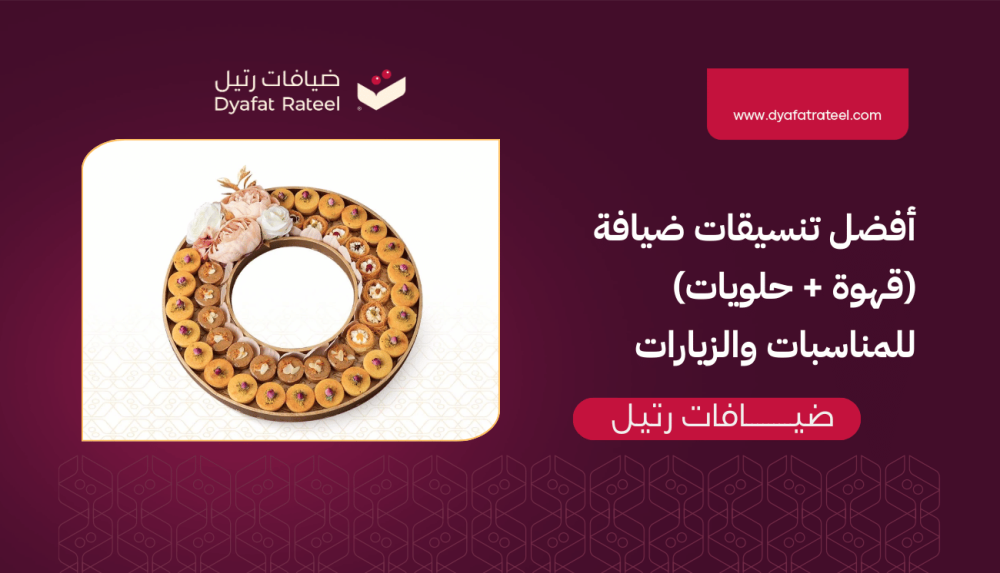
With increasing nutritional awareness, healthy desserts have become a popular choice for many families, especially with the spread of lifestyles focused on reducing sugar intake and improving food quality. Desserts are no longer just a temporary pleasure, but part of a balanced lifestyle that prioritizes health without giving up flavor.
• Growing demand for low-sugar desserts
• Greater interest in ingredients and nutritional values
However, the most important question remains: Does sugar-free maamoul lose its original flavor?
Or has the advancement of sugar alternatives made the taste close to traditional maamoul without compromising enjoyment?
• Differences of opinion about taste and texture
• Varied experiences between acceptance and hesitation
In this article, we provide a clear comparison to help you understand the differences and discover how to choose healthy sugar-free maamoul suitable for hospitality—without sacrificing quality or taste.
What Is Sugar-Free Maamoul?
Sugar-free maamoul is a type of traditional Middle Eastern dessert prepared without adding refined white sugar. Instead, it relies on alternative sweeteners that provide sweetness while reducing the impact on blood sugar levels. It is a popular option for those seeking a balance between taste and health.
The main difference between sugar-free maamoul and traditional maamoul lies in the ingredients. Traditional maamoul contains high amounts of sugar and calories, while the healthier version focuses on reducing sugar while maintaining texture and flavor as much as possible.
The sweeteners used in sugar-free maamoul vary between natural and artificial alternatives, and their selection directly affects taste and overall quality.
Does the Taste Really Differ?
Some believe that sugar-free maamoul lacks flavor compared to traditional maamoul, but in reality, this depends on the quality of the ingredients used.
In many cases, the taste is very similar, especially when suitable sweeteners and balanced recipes are used.
In terms of texture, sugar-free maamoul may be slightly less soft, particularly if sweeteners that do not retain moisture are used.
However, advancements in preparation techniques have made the texture acceptable to most consumers.
Consumer opinions indicate that the first experience is decisive; those who choose a high-quality product often repeat the experience.
Many people have come to prefer sugar-free maamoul after becoming accustomed to its taste when served for hospitality.
Suggested Topic
The Most Popular Desserts Served for Hospitality: A Taste That Reflects Saudi Generosity
Nutritional Comparison Between Regular Maamoul and Sugar-Free Maamoul
A nutritional comparison shows clear differences between traditional maamoul and sugar-free maamoul in terms of health impact. The healthier version is designed to reduce sugar intake while preserving the enjoyment of serving it to guests.
Calories:
Traditional maamoul contains higher calories due to added sugar, while sugar-free maamoul has relatively fewer calories, making it a suitable option for those following a balanced diet.
Sugar and Glycemic Index:
Traditional maamoul raises blood sugar levels rapidly, whereas sugar-free maamoul relies on sweeteners with a low or moderate glycemic index.
Health Benefits:
Sugar-free maamoul helps reduce daily sugar consumption and supports a healthy lifestyle without deprivation.
It is also a smart choice for health-conscious hospitality that considers the well-being of all guests.
Benefits of Choosing Sugar-Free Maamoul
Sugar-free maamoul is a suitable option for people with diabetes, as it does not contain refined sugar that raises blood sugar levels.
It also helps reduce sharp glucose fluctuations, especially when consumed in moderation.
For those following dietary plans, sugar-free maamoul is a better option than traditional maamoul, as it is lower in calories and supports weight control without deprivation.
Additionally, sugar-free maamoul is suitable for children and healthy hospitality, as it limits daily sugar intake and reflects nutritional awareness and care for guests of all ages.
When Is Sugar-Free Maamoul Not a Healthy Choice?
Sugar-free maamoul may not be a healthy option when consumed excessively, even if it is free from refined sugar.
Excessive intake of sugar substitutes can cause digestive issues or unwanted side effects.
Some sugar-free maamoul products contain artificial ingredients to enhance taste or texture, which may reduce nutritional value and make the product less healthy than it appears.
Therefore, reading nutrition labels is essential, as they reveal the types of sweeteners and fats used. Choosing products with clear ingredients helps you make a healthier decision.
How to Choose Healthy Sugar-Free Maamoul for Hospitality
When choosing sugar-free maamoul for hospitality, focus on ingredient quality rather than appearance alone. The right choice ensures good taste and better nutritional value for guests.
Practical Tips When Choosing:
· The type of flour plays an important role in nutritional value; whole or minimally processed flour is preferred over refined white flour.
· The type of fat used affects product quality; healthier fats in moderate amounts are recommended.
· Sweeteners should be chosen carefully, preferably natural or with a low glycemic index.
Signs of quality include balanced flavor and good texture without an artificial aftertaste. A short ingredient list often indicates a higher-quality product.
Healthy Hospitality: Does It Appeal to the Arab Taste?
With recent changes in dietary habits, Arab hospitality has begun adopting healthier options without abandoning traditional flavors.
The younger generation prefers sugar-free maamoul at gatherings, especially when presentation is creative and combines health with visual appeal.
A common example at events is replacing traditional maamoul with attractively decorated sugar-free versions.
The result is often guest satisfaction and increased nutritional awareness among families.
Nutrition Facts and Statistics
Studies indicate that diabetes rates in the Arab world are steadily increasing, highlighting the growing need for low-sugar options. Interest in healthy products has also led to noticeable growth in demand for sugar-free desserts.
Statistics show that choosing sugar-free maamoul helps reduce daily sugar consumption and supports balanced dietary choices for guests, reflecting a positive shift in food culture.
Tips for Serving Sugar-Free Maamoul
To present sugar-free maamoul attractively, arrange the pieces carefully and use decorative plates to enhance the table’s appearance.
Good presentation increases guest acceptance and makes the experience visually enjoyable.
Sugar-free maamoul can be served with Arabic coffee or light tea to minimize any perceived difference in taste for traditional palates, creating a balance between health and enjoyment.
To maintain taste and appearance, store maamoul in a cool, dry place and serve appropriate quantities. You may also enhance the natural flavor by serving it with nuts or cinnamon without adding sugar.
Conclusion
Today, sugar-free maamoul is no longer a secondary option but a healthy and practical alternative for hospitality. It allows you to serve delicious desserts without worrying about excessive sugar intake.
When the right ingredients are chosen, the taste becomes very close to traditional maamoul, satisfying all preferences and ensuring a pleasant and healthy hospitality experience.
It is always important to read ingredient labels carefully and not rely solely on the “sugar-free” claim to ensure you are choosing a truly healthy product with good nutritional value. With proper nutritional awareness, you can offer the best experience for your guests while maintaining taste and quality on every occasion.
Try Our Sugar-Free Maamoul Collection
Discover our premium sugar-free maamoul selection for hospitality from Diyafat Rateel
and offer a healthy, delicious experience that combines flavor and quality for every occasion.
Frequently Asked Questions (FAQs)
Is sugar-free maamoul suitable for people with diabetes?
Yes, it does not contain refined sugar and relies on low-glycemic-index sweeteners, making it a relatively safe option for blood sugar control.
How long can sugar-free maamoul be stored?
It is best stored in a cool, dry place for 7–10 days in an airtight container while maintaining its texture and natural flavor.
What is the best time to serve it?
It can be served at any occasion, especially with coffee or tea in the afternoon, or during family gatherings—combining health and enjoyable taste
To get more practical ideas for serving coffee and desserts, and for learning how to style coffee and sweets in an attractive way that befits your guests, you can visit the Atbakh Tabkhah website. It offers a comprehensive guide to hospitality presentation ideas, from coffee and tea to desserts and a variety of dishes. Atbakh Tabkhah helps you enhance presentation and arrangement through easy steps and creative ideas.