

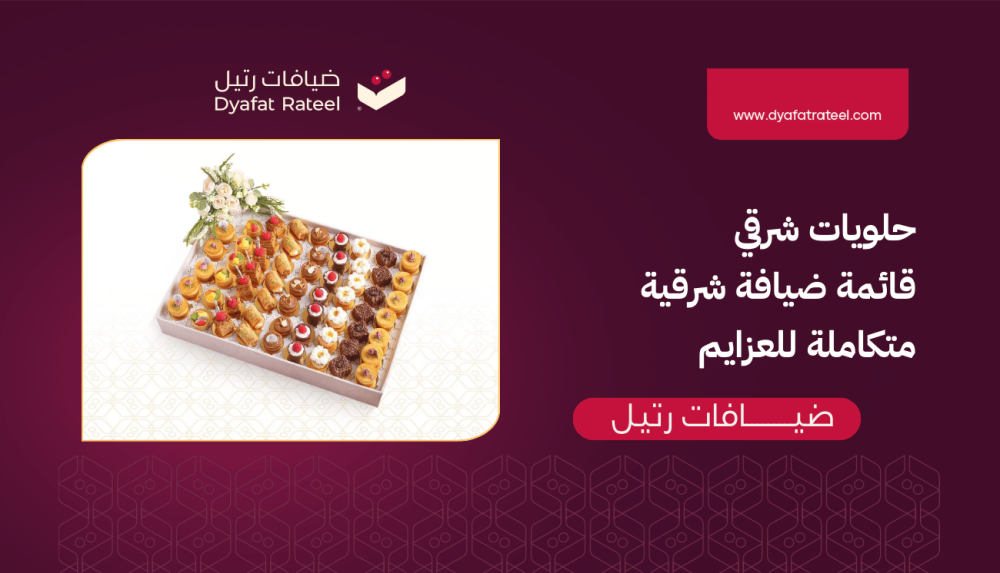
Eastern sweets are considered an essential part of any Arab hospitality or occasion, as they reflect traditional Arab culture while blending authenticity with contemporary creativity. These sweets are known for their wide variety, from maamoul and petit four to chocolate and Arabic flavors such as dates and cinnamon, making them ideal for satisfying all tastes. Eastern sweets add a touch of luxury and elegance to any gathering and contribute to creating a complete, unforgettable hospitality experience.
Choosing the Right Eastern Sweets Flavors for Gatherings
Selecting the right flavors is the foundation of a successful hospitality menu. The diversity of Eastern sweets can please all age groups and reflect the host’s refined taste. Knowing guests’ preferences ensures an enjoyable experience and shows attention to detail.
● Practical tip: Focus on combining traditional flavors such as date and cinnamon maamoul with modern touches like chocolate petit four and dried fruits.
● Real-life example: At a Ramadan gathering, date and cinnamon maamoul was the most requested, while children preferred chocolate petit four.
● Statistic: Data indicates that 65% of guests prefer traditional flavors, while 40% are drawn to sweet flavors such as chocolate and dried fruits.
Arranging Eastern Sweets Platters for Hospitality
Good arrangement plays a key role in highlighting the beauty of Eastern sweets and attracting guests’ attention. Presentation enhances the visual experience and showcases the diversity of flavors.
● Arrange maamoul, petit four, and chocolates so each piece is clearly visible and appealing.
● Tip: Use harmonious colors and different sizes to add visual value, along with creative serving tools such as multi-tiered trays.
● Real-life example: Placing date maamoul at the center of the tray and surrounding it with small chocolate pieces created an elegant circular design that caught everyone’s eye.
Ways to Preserve the Freshness of Eastern Sweets
Maintaining the freshness of Eastern sweets is essential to ensure a premium guest experience. Fresh sweets retain their texture and flavor, increasing guest satisfaction.
● Tip: Store sweets at appropriate temperatures and use airtight containers away from humidity and heat.
● Real-life example: Storing maamoul in airtight containers preserved its flavor for several days, while petit four remained crisp and ready to serve throughout the event.
Combining Eastern Sweets with Traditional Beverages
Pairing Eastern sweets with traditional beverages enhances the overall experience and adds an authentic touch to any gathering. Balanced flavors make each sweet more enjoyable when served.
● Tip: Serve mint tea and Arabic coffee with specific types of sweets to complement flavors.
● Real-life example: Serving petit four with jasmine tea impressed guests and created a unique tasting experience.
● Additional tip: Adding touches like cinnamon or cardamom to beverages enhances the traditional Eastern character.
Adding a Personal Touch to the Sweets Menu
A personal touch makes Eastern sweets a reflection of the host’s taste and creativity, increasing hospitality warmth and uniqueness.
● Tip: Use innovative fillings or customized flavors such as pistachio or coconut to personalize sweets.
● Real-life example: Date maamoul topped with crushed pistachio added a luxurious touch and caught guests’ attention.
● Additional tip: Try blending Eastern and Western flavors, such as dark chocolate with cinnamon, to impress everyone.
Suggested topic: The Most Famous Eastern Sweets from Retal Hospitality
Using Fresh and Seasonal Ingredients
Choosing fresh ingredients reflects the quality of the sweets and enhances the guest experience. High-quality ingredients show attention to detail and preserve authentic flavor.
● Tip: Choose fresh dates, cinnamon, and pistachios, and avoid ingredients stored for long periods.
● Statistic: Studies show that using fresh ingredients increases guest satisfaction by 30%.
● Additional tip: Seasonal spices such as cardamom or cloves can be added to enhance the authentic Eastern character.
Eastern Sweets for Special Occasions
The selection of Eastern sweets varies according to the type of occasion to meet guest expectations and create the appropriate festive atmosphere.
● Weddings require luxurious and diverse assortments, while Ramadan and Eid al-Fitr favor traditional sweets such as maamoul and petit four.
● Real-life example: A varied assortment of maamoul and petit four positively influenced guests’ impressions and increased their engagement with the hospitality.
● Additional tip: Add artistic touches to trays, such as arranging sweets in the shape of small flowers or hearts for special occasions.
Combining Eastern and Western Sweets
Blending Eastern and Western sweets creates a new and enjoyable experience, allowing guests to taste a variety of flavors at once.
● Tip: Place Western chocolates next to cinnamon maamoul, or try petit four assortments with chocolate and dried fruits.
● Real-life example: Combining petit four with dark chocolate impressed guests and enhanced the tasting experience.
● Additional tip: Use different colors and shapes to add an element of surprise and visual appeal.
Strategies for Presenting Sweets Attractively
The way Eastern sweets are presented plays a major role in attracting attention and encouraging guests to sample every variety. Good arrangement significantly enhances the hospitality experience.
● Use creative serving tools such as multi-tiered trays and colorful small plates.
● Tip: Divide sweets by flavor or color to make selection easier for guests.
● Additional tip: Add simple decorative touches such as greenery or small flowers to enhance the trays’ appearance.
Preserving Tradition with a Modern Touch
Balancing tradition and innovation makes an Eastern sweets menu distinctive, maintaining authentic flavor while remaining visually appealing.
● Tip: Refresh the appearance or add innovative fillings such as nuts and dried fruits without altering the traditional taste.
● Real-life example: Adding dried fruits or nuts to traditional maamoul gave it a modern look while preserving its authentic flavor.
● Additional tip: Using transparent or multi-layered trays highlights layers and colors, increasing visual appeal.
In conclusion, Eastern sweets highlight the importance of detail in Arab hospitality and their impact on the guest experience. Flavor variety, fresh ingredients, and attractive presentation make any gathering unforgettable. Make every guest feel special with a complete menu, and enjoy the blend of authenticity and innovation at every occasion.
Discover ready-made, luxurious Eastern sweets assortments from Retal Hospitality now, and make your hospitality exceptional in every detail!
Frequently Asked Questions (FAQs)
1. What are the best Eastern sweets for hospitality?
Tips for choosing traditional sweets such as maamoul, petit four, and chocolate to suit all tastes.
2. How do I choose a diverse assortment of Eastern sweets?
Combining traditional flavors with innovative fillings and fresh ingredients ensures satisfaction for all guests.
3. Are Eastern sweets suitable as gifts?
Yes, luxurious Eastern sweets assortments presented in an attractive way make an ideal gift for all occasions.
If you would like to learn more about the types of Eastern sweets, their history, and the most famous assortments in the Arab world, you can visit this trusted source, which showcases many traditional varieties such as qatayef, awameh, ghraybeh, maamoul, baklava, and more, along with their different preparations and ingredients: Types of Eastern Sweets and the Most Famous in Arab Cuisine (Mawdoo3)